Azelaic acid in pregnancy & TTC: what to know
Azelaic acid is a dicarboxylic acid used for acne, rosacea, and uneven tone. When retinol is off the table — during pregnancy or while trying to conceive — it is one of the actives dermatology patient resources mention most often. MamaKind is informational only and this is not medical advice. For personal decisions, talk with your healthcare provider, pharmacist, or MotherToBaby.
See also: TTC skincare routine, TTC skincare routine in Canada (blog), retinol guide, and salicylic acid guide.
What is azelaic acid?
Azelaic acid occurs naturally in grains such as wheat and barley and is also made synthetically for skincare. It helps with clogged pores, inflammation, and post-inflammatory hyperpigmentation — which is why it shows up in acne serums, creams, and prescription gels for rosacea.
Unlike retinoids, azelaic acid is not vitamin A. It works through different pathways (including effects on keratinization and bacteria on the skin). That distinction matters when you are scanning labels for ingredients to pause during pregnancy or preconception.
OTC vs prescription strengths in Canada
You will commonly see around 10% azelaic acid in over-the-counter cosmetic products sold in Canada. Prescription options such as Finacea (15% gel) and Azelex (20% cream) are used for acne and rosacea under clinician supervision.
A higher percentage on the label does not automatically mean “avoid in pregnancy” — it usually means the product is intended as a medicine with monitoring, not a casual serum. If you are unsure whether your tube is cosmetic or prescription, ask your pharmacist.
Azelaic acid during pregnancy
Patient-facing resources including MotherToBaby's topical acne treatments in pregnancy fact sheet and American Academy of Dermatology pregnancy acne pages discuss azelaic acid among options that may be considered when retinoids are paused. Topical absorption is generally low, but how much skin you treat, how often, and what else is in your routine still matter.
Azelaic acid is not a substitute for prenatal care or for managing oral medications — it is a topical option to discuss if acne or rosacea is affecting you during pregnancy.
Azelaic acid while trying to conceive (TTC)
Preconception skincare often focuses on pausing retinoids and oral acne drugs while keeping a simple routine: cleanser, moisturizer, mineral SPF. When hormonal chin or jawline acne flares after stopping retinol or spironolactone, azelaic acid is frequently the active clinicians and forums mention as a retinoid alternative — at OTC or prescription strength, depending on severity.
For a step-by-step AM/PM framework and how azelaic fits with salicylic cleanser or benzoyl peroxide wash, see our TTC acne actives section and TTC skincare routine blog guide.
Ingredient names on labels
Azelaic acid usually appears plainly on INCI lists:
- Azelaic acid
- Finacea / Azelex (brand names for prescription products — check active ingredient)
Paste any product into Check product to scan for retinoids and other actives alongside azelaic acid.
Alternatives and combinations
If azelaic acid does not suit your skin, other options often discussed with a provider include:
- Benzoyl peroxide wash (short contact) — see MotherToBaby topical acne guidance.
- Salicylic acid cleanser (wash-off BHA) — our salicylic acid guide covers concentration and contact time.
- Niacinamide for barrier support and tone.
- Mineral sunscreen daily — especially important when using any exfoliating active.
Introduce one new active at a time so you can tell what helps or irritates your skin.
When to check with your healthcare provider
- You are using or considering prescription-strength azelaic acid (15% or 20%).
- You have cystic or scarring acne, not just occasional chin spots.
- You were on oral isotretinoin, spironolactone, or prescription retinoids and need a replacement plan.
- You are unsure whether your product is cosmetic or prescription.
- You have rosacea, melasma, or another condition that needs dermatology follow-up.
In Canada and the U.S., MotherToBaby offers free counselling on exposures in pregnancy and breastfeeding.
Common questions
Is azelaic acid safe during pregnancy?
Azelaic acid is a topical acne and rosacea treatment that appears on many dermatology lists of ingredients often considered when retinoids are paused in pregnancy. MotherToBaby's topical acne treatments in pregnancy fact sheet discusses azelaic acid among over-the-counter options that may be considered with a provider. Absorption from typical cosmetic use is low, but concentration, how much skin you treat, and whether you are also using other actives all matter. This is informational only — confirm your specific product with your obstetric or dermatology clinician.
Can I use azelaic acid while trying to conceive?
Trying to conceive is not identical to pregnancy, but azelaic acid is frequently suggested when people pause retinol for preconception. Many clinics treat it as a reasonable topical to discuss for hormonal chin acne while TTC, especially at over-the-counter strengths. Oral acne medications such as spironolactone or isotretinoin are separate prescribing decisions. See our TTC skincare routine hub for a full framework.
What is the difference between OTC and prescription azelaic acid?
In Canada you may see azelaic acid in over-the-counter serums and creams around 10%, while prescription products such as Finacea (15% gel) or Azelex (20% cream) are used for acne and rosacea under medical supervision. Higher strengths are not automatically "unsafe" — they are simply more likely to be managed as a prescription with follow-up. Do not assume an OTC label and a Rx product behave the same on your skin.
Does azelaic acid help hormonal chin acne while TTC?
Hormonal chin and jawline breakouts are common while trying to conceive or in early pregnancy, especially when retinol or oral actives are stopped. Azelaic acid is often discussed for this pattern because it targets inflammation and post-acne marks without being a retinoid. Start one active at a time, use moisturizer and mineral SPF, and see a dermatologist if breakouts are cystic or affecting your quality of life.
Sources
- MotherToBaby — Topical acne treatments in pregnancy fact sheet
- American Academy of Dermatology — Is any acne treatment safe to use during pregnancy?
- American Academy of Dermatology — Dermatologist-approved pregnancy skin care
- Health Canada — Cosmetic Ingredient Hotlist: Prohibited and Restricted Ingredients
- NIH LactMed (Drugs and Lactation Database) — Azelaic Acid record
MamaKind is an independent Canadian information site. We are not a medical provider. Guidance on this page is informational and may not reflect the most recent updates from the sources above. Always confirm with a qualified healthcare professional for personal medical questions.
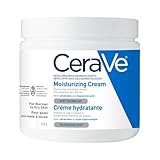
Gentler routine picks on Amazon.ca
MamaKind-rated products on Amazon.ca — same price whether or not you use our link. We may earn a small commission. Always confirm with your healthcare provider before starting supplements.

Affiliate links · Full disclosure