Safe Cold Medicine in Pregnancy in Canada
Catching a cold while pregnant is common — and so is the flood of questions that come with it. Cold and flu aisles in Canadian pharmacies can feel overwhelming because most products combine several ingredients in one box. This guide focuses on what Canadian public health sources and Canadian-used reference services — Health Canada and MotherToBaby — actually say about the most common ingredients. It is general information, not medical advice. For any medicine you are unsure about, paste the product name into MamaKind's product check or confirm with your pharmacist, OB, or midwife.
Why cold medicines raise questions during pregnancy
Most over-the-counter cold and flu products are multi-symptom: they bundle a pain reliever, a decongestant, a cough suppressant, and sometimes an antihistamine or alcohol into a single dose. During pregnancy, that bundling is the main reason the label warning says to ask a doctor or pharmacist first — you can end up taking an ingredient you didn't plan to take, at a dose you didn't plan to take.
Health Canada's labelling standard for non-prescription adult cough, cold, and flu products specifically requires a “ask a doctor or pharmacist before use if you are pregnant or breastfeeding”statement on every qualifying product sold in Canada. That warning is there for a reason — it's the point where this guide can help you ask the right questions.
Ingredients that deserve extra review
Before buying or taking a cold product, it helps to look at the Drug Facts table (for OTC drugs) or the Product Information panel (for natural health products) and note every active ingredient. The ones that most often come up during pregnancy are:
- Acetaminophen — a pain reliever and fever reducer
- Ibuprofen, naproxen, ASA (aspirin) — NSAIDs
- Pseudoephedrine, phenylephrine — oral decongestants
- Dextromethorphan — a cough suppressant
- Guaifenesin — an expectorant
- Diphenhydramine, doxylamine, chlorpheniramine — antihistamines often added for nighttime formulas
- Alcohol — a vehicle in some liquid cough syrups
Acetaminophen / fever reducers
Acetaminophen(Tylenol and many store brands) is the pain reliever and fever reducer most often recommended during pregnancy. Health Canada states that acetaminophen “is a recommended treatment for fever and pain during pregnancy” and advises using the lowest effective dose for the shortest duration required. MotherToBaby similarly reports that at recommended doses, acetaminophen has not been shown to increase the chance of birth defects.
A few practical notes pulled directly from Canadian and North American sources:
- Check every product label — acetaminophen is also hidden inside many combination cold and flu products (for example, Tylenol Complete, DayQuil, NyQuil, Benylin All-in-One), so you can accidentally double up if you also take a stand-alone pain reliever.
- Use as directed. Health Canada emphasizes lowest effective dose, shortest duration.
- If you are taking acetaminophen for more than a few days or for a recurring issue, that's a good time to check in with your prescriber.
NSAIDs — ibuprofen (Advil, Motrin), naproxen (Aleve), ASA (aspirin) — are generally treated differently. MotherToBaby notes that the U.S. Food and Drug Administration recommends avoiding NSAIDs after 20 weeks of pregnancy unless a healthcare provider specifically recommends them, because of concerns about fetal kidney function and amniotic fluid. Low-dose aspirin is a separate conversation that only applies when prescribed. If you have routinely reached for ibuprofen or naproxen before pregnancy, bring that up with your provider.
Decongestants
Pseudoephedrine (brand names include Sudafed) is a common oral decongestant, classified as a Natural Health Product in Canada. MotherToBaby notes that the American College of Obstetricians and Gynecologists (ACOG) does not recommend pseudoephedrine during the first three months of pregnancy. After the first trimester, use is typically a case-by-case conversation with your provider, especially if you have high blood pressure.
Phenylephrine is the other oral decongestant commonly found in Canadian cold and flu combo products. It carries the same “ask a doctor or pharmacist before use if you are pregnant or breastfeeding”warning under Health Canada's labelling standard.
Non-medicine congestion options that most Canadian providers are comfortable with include saline nasal sprays or rinses (e.g., NeilMed, HydraSense), a humidifier, and steam inhalation. These are usually the first things a pharmacist will suggest before a systemic decongestant.
Cough suppressants and expectorants
Dextromethorphan (often labelled DM — found in Benylin DM, Robitussin DM, and many combination products) is the most common OTC cough suppressant. MotherToBaby reports that based on available studies, dextromethorphan is not expected to increase the chance of birth defects. MotherToBaby also makes two practical points that specifically apply here:
- Where possible, choose a single-ingredient dextromethorphan product rather than a multi-symptom cold and flu combo, so you are only taking what you actually need.
- Some liquid cough syrups contain alcohol. MotherToBaby explicitly recommends choosing an alcohol-free formulation during pregnancy and breastfeeding.
Guaifenesin (Mucinex, Robitussin Chest Congestion, and generics) is an expectorant used to loosen mucus. MotherToBaby reports that most available information does not show a meaningful increase in the chance of birth defects from guaifenesin, but notes that data during breastfeeding are limited. As with dextromethorphan, they recommend choosing an alcohol-free formulation when one is available.
Combination cold and flu products
This is the biggest practical pitfall during pregnancy. Products marketed as “Complete,” “All-in-One,” or “Maximum Strength” often contain four or moreactive ingredients — a pain reliever, a decongestant, a cough suppressant, an expectorant, and sometimes an antihistamine or alcohol. Examples you'll see in Canadian pharmacies include Vicks DayQuil/NyQuil Complete, Tylenol Complete Cold, Cough & Flu, Benylin Extra Strength All-in-One, and Advil Cold, Sinus & Flu.
MotherToBaby's general suggestion during pregnancy and breastfeeding is to avoid multi-ingredient combination medications when possible, and instead reach for single-ingredient products that treat just the symptom you have. That way, if you have a sore throat and fever, you take acetaminophen — not a product that also contains a decongestant, a cough suppressant, and a sedating antihistamine you didn't need.
If you do take a combination product, read every active ingredient and cross-reference each one with your provider or pharmacist.
Non-medicine options that may help
Many of the most useful things during a cold do not come in a pill bottle. Common suggestions from Canadian pharmacists and public health sources include:
- Rest, fluids, and warm liquids (water, clear broth, diluted juice).
- Saline nasal sprays or rinses for congestion.
- A cool-mist humidifier or steam inhalation for stuffy airways.
- Throat soothing options like warm water with honey and lemon, or plain lozenges — check the label for ingredients you recognize, and avoid lozenges or cough drops that also contain menthol-heavy herbal blends or unverified botanicals if you prefer to keep it simple.
- Sleeping with the head slightly elevated to reduce nighttime congestion.
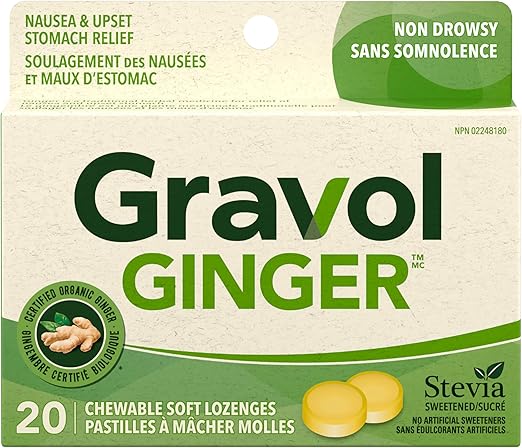
If nausea is also part of the picture and you are early in pregnancy, our companion guide on safe morning sickness remedies in Canada covers ginger and vitamin B6 options in more detail.
When to check with your healthcare provider
Talk to your doctor, midwife, or pharmacist — rather than guessing — if:
- You have a persistent fever over 38 °C (100.4 °F), especially in the first trimester.
- Symptoms last more than a few days, or are getting worse instead of better.
- You have shortness of breath, chest pain, a productive cough with coloured or bloody mucus, or any symptom that feels more than a typical cold.
- You take prescription medications (for asthma, thyroid, blood pressure, or mental health, for example) and want to check for interactions.
- You have a pre-existing condition (e.g. high blood pressure) that specifically interacts with decongestants like pseudoephedrine or phenylephrine.
- You are also managing pregnancy symptoms like nausea and are unsure what is safe to combine.
In Canada, MotherToBaby offers free, confidential, evidence-based counselling on specific medication and exposure questions during pregnancy and breastfeeding. Many local pharmacies are also a low-friction first stop — pharmacists review Drug Facts labels every day and can flag ingredients on the spot.
Not sure about a specific cold medicine, cough syrup, lozenge, or supplement?
You can paste a product link or type a product name into MamaKind's product check for stage-specific context, browse curated picks on pregnancy-safe products, or explore the full product catalog.
Sources
Shop rated picks on Amazon.ca
MamaKind-rated products on Amazon.ca — same price whether or not you use our link. We may earn a small commission. Always confirm with your healthcare provider before starting supplements.

Affiliate links · Full disclosure
Some links on this page are affiliate links — we may earn a small commission if you purchase through them, at no extra cost to you. Read our full disclosure.